Category: 2025
-
A Quantative Analysis of Anki Desktop
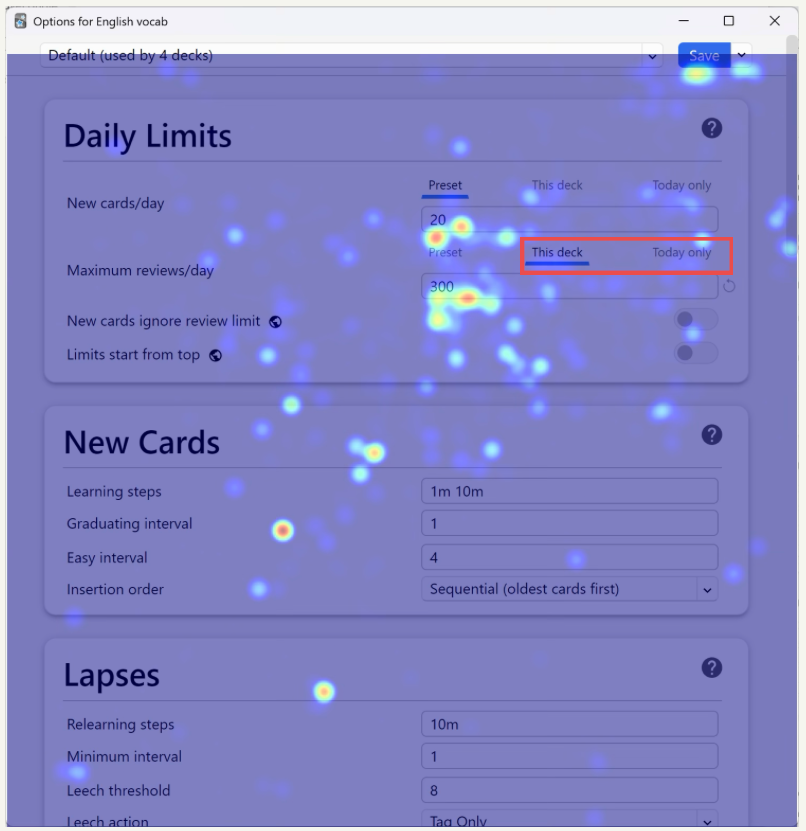
Introduction Anki Desktop is a spaced‑repetition tool for language learning, but many learners find it complex and unintuitive, especially at the beginning. Users often struggle with discovering basic features, understanding Anki’s terminology, and recovering from mistakes, which can discourage consistent use even though spaced repetition is highly effective for long‑term memory. Our project looks into…
-

Analyze and optimize the user experience on an experimental prototype
authors: Augustin BOYER, Léonie MAUREAU, François LE BESCOND DE COATPONT, Lucas MICHEL, Amine SLAOUI, Yaël MUTENFU Project Context This project focuses on the analysis and optimization of the quantitative user experience (UX) of an existing website dedicated to textile materials. The main goal was to understand how users interact with the website and to use…
-

LetterBoxd : A Usability Study
Authors: Nina Luc, Alaeddine Cheniour, Berna Zib, Natacha Malychev, Bérénice Nghiêm. 1. Introduction If you are a movie enthusiast, you are probably familiar with Letterboxd. Launched in 2011, it is a highly popular social network dedicated to cinema, especially among users aged 18 to 25. The platform allows users to track the films they watch, rate them,…
-
Comparison between Airbnb & Agoda
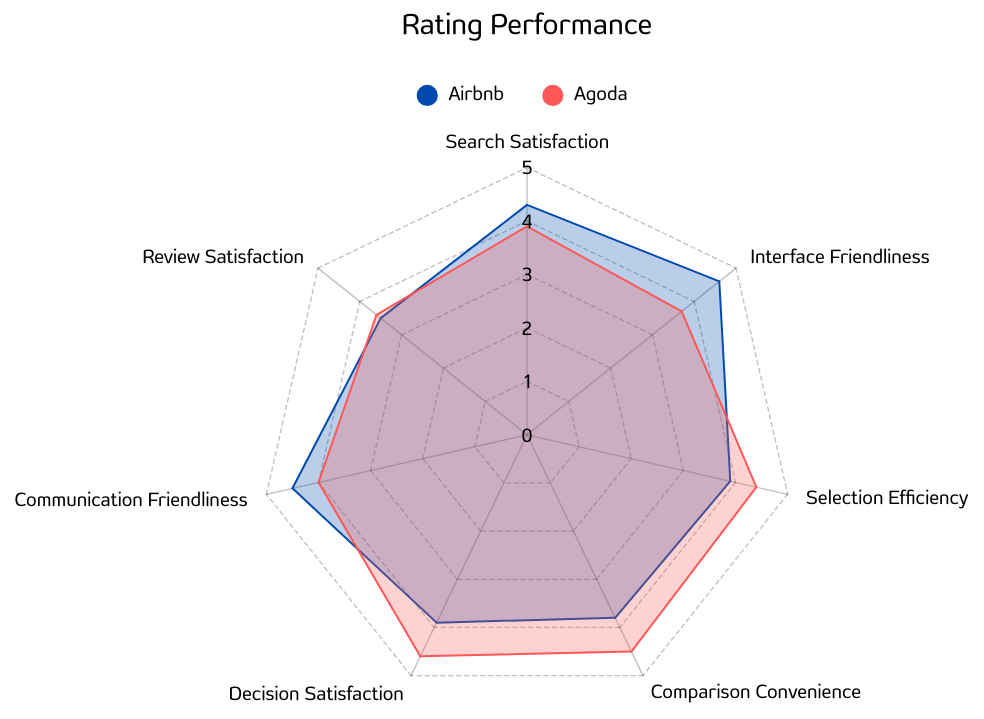
Authors: Boyang XU, Pingtiao ZHOU, Zhiying ZOU, Xueqi YANG, Qingyue DENG Abstract This report presents a comparative user experience study of the Airbnb and Agoda mobile applications, focusing on the complete accommodation booking journey. The study aimed to evaluate which platform provides a more efficient, usable, and satisfying experience, from searching and filtering listings to…
-
Gaming: How Experience Can Shape UI Strategies
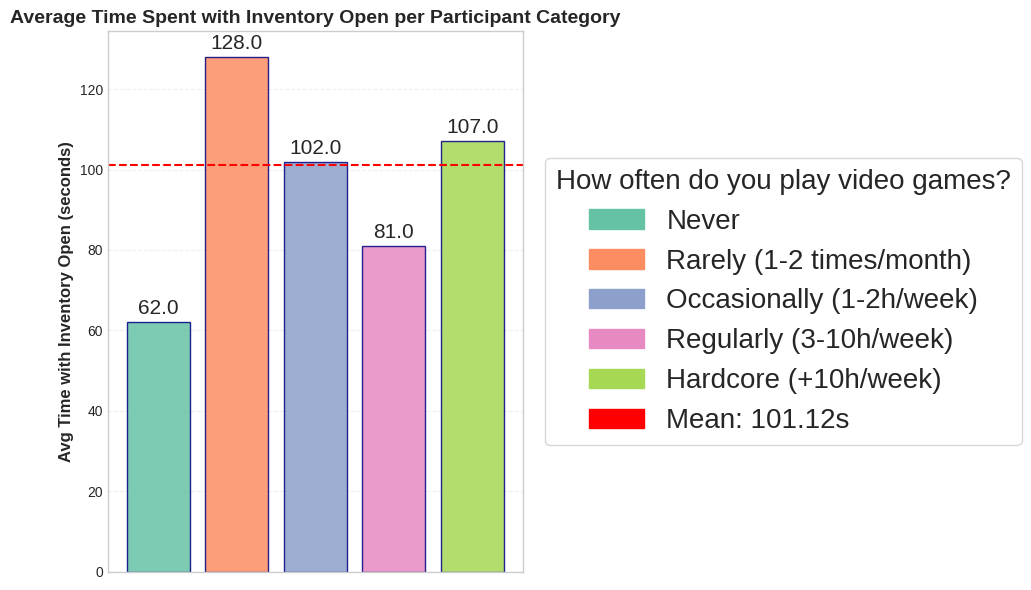
In fast-paced games, the inventory isn’t just a menu—it’s a survival tool. Whether you’re reorganizing your pack in Minecraft or managing attachments in PUBG, the efficiency of your “grid management” can mean the difference between victory and defeat. Our research team recently conducted a quantitative UX study to understand exactly how players interact with these…
-

YouTube vs Bilibili
Written by: Antony JULIAN, Rabii LAMHARZI ALAOUI, Xintian FU, Yizhen KE, Yongyan LUO This blog post is just a condensed version of the formal report. Abstract This study presents a comparative UX research analysis between YouTube and Bilibili, focusing on the challenges and opportunities Bilibili faces as it seeks to expand to a global audience.…
-
Le bon coin : Which UX elements influence the user’s trust the most ?
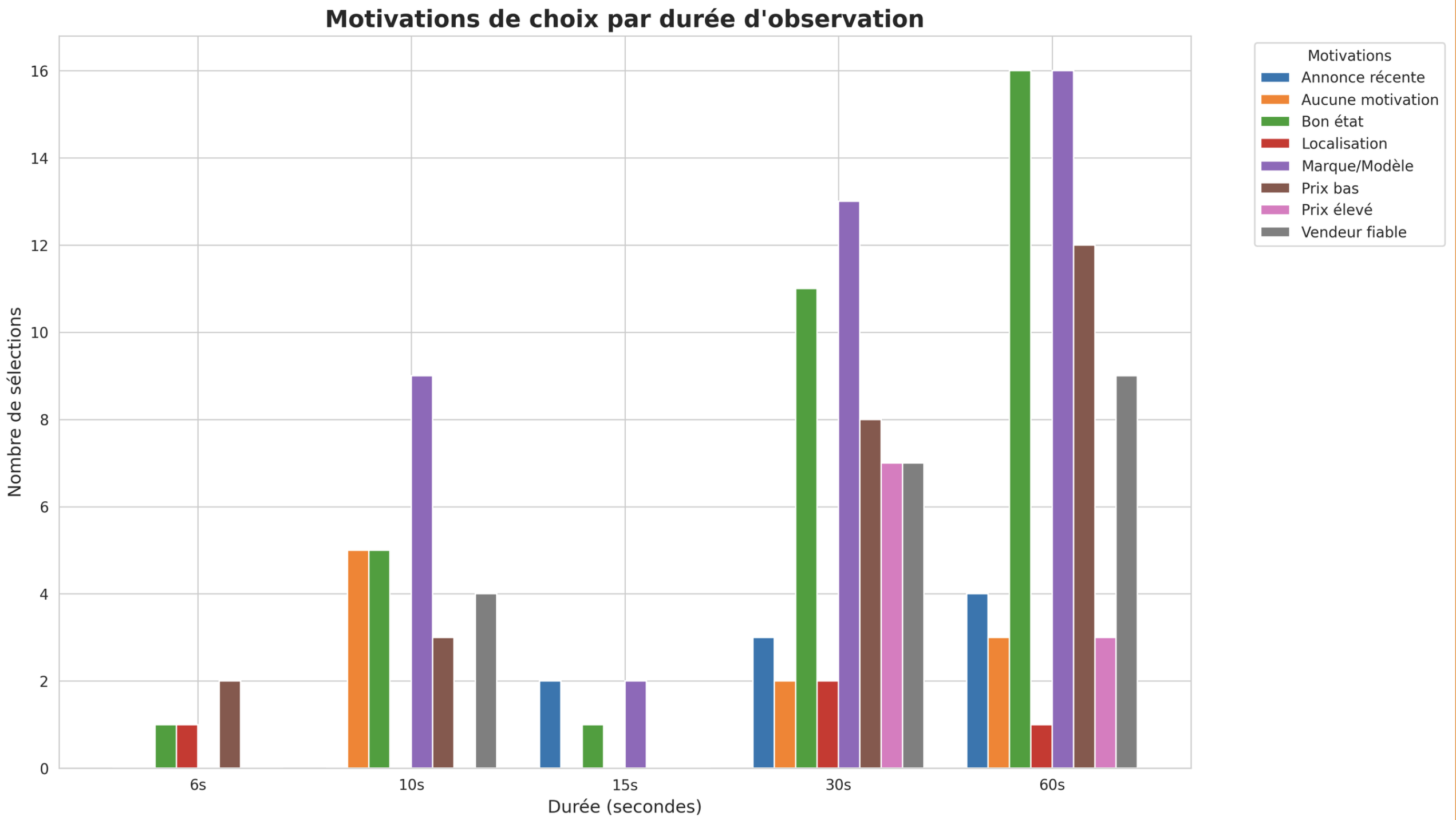
by Naoures ABASSI, Thomas COUVERT, Sarah DAHER, Joshua MOULKAF, Raphael PADIOU and Maëlys VIEGAS On second-hand marketplaces like Leboncoin, trust is everything. Every user, whether buying or selling, relies on cues to judge a seller’s credibility and the reliability of a listing. But which elements of interface design and content really drive that trust? Our…
-
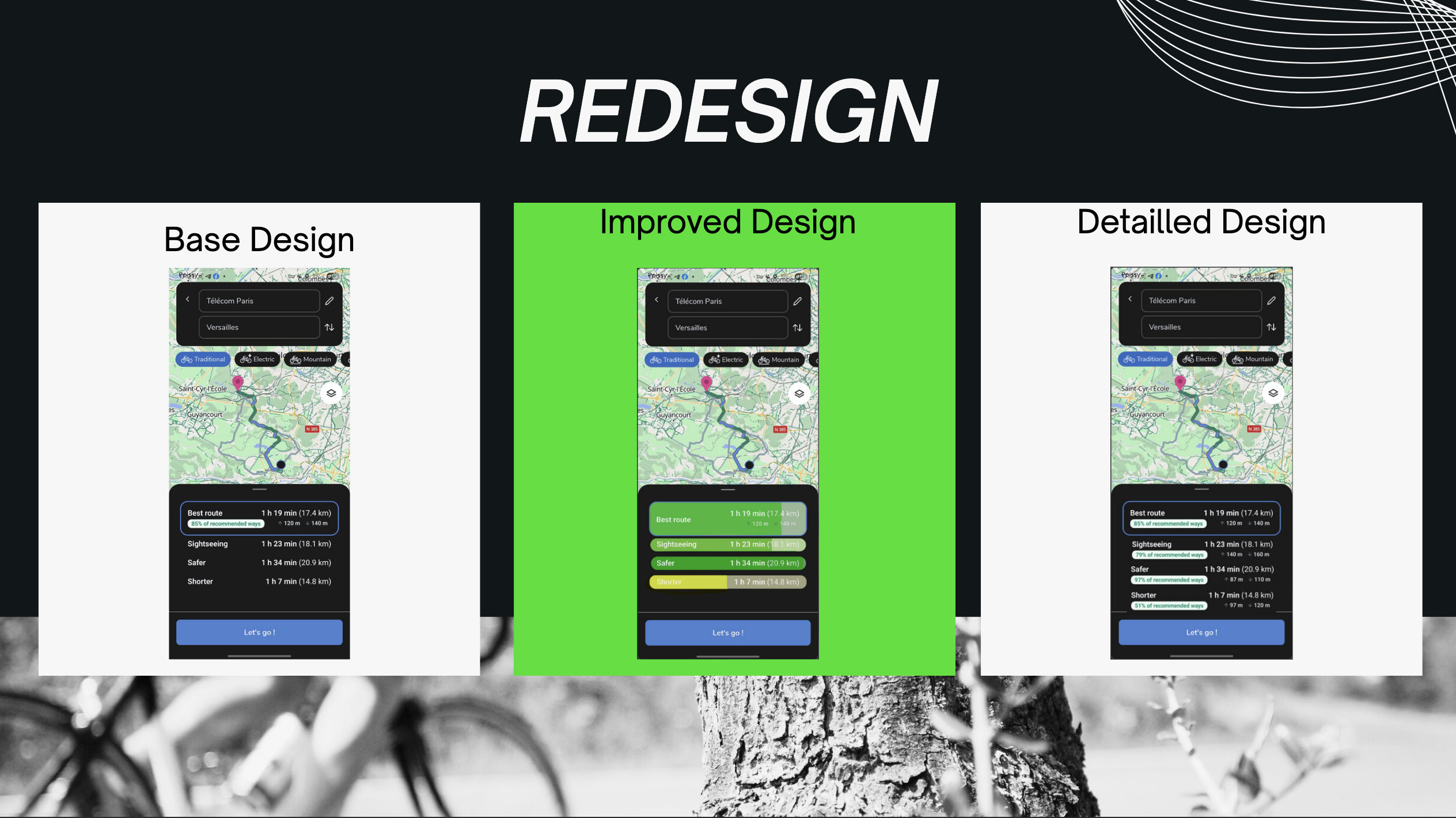
The UX of safety : nudging cyclists toward better routes on Géovélo
Abstract Géovélo is a cycling navigation app that already optimises routes for comfort and safety, but route choice still often happens in seconds—based on what is most visually salient rather than what is objectively safest. In this Quant UX project, we tested whether changing the presentation of safety information (without changing the underlying routing engine)…
-

Evaluating the Impact of Dark Patterns: Case Study of Temu.com
Authors: Ala ELLEFI, Arsalan MASOUDIFARD, Fatemeh SHIRVANI, Ferhat ADDOUR, Yifei CHEN Abstract Temu is one of the most popular shopping platforms worldwide, yet its interface relies on manipulative design tactics known as dark patterns. We conducted a between-subject study with 20 participants, comparing a dark version of Temu (with amplified dark patterns) to a control…